Doctors' group gives hormone therapy stronger backing in new menopause advice
The story
The American College of Obstetricians and Gynecologists has released new guidance on treating common symptoms of menopause. It is the group's first update on the subject since 2014, and it calls this its most complete advice on menopause so far.
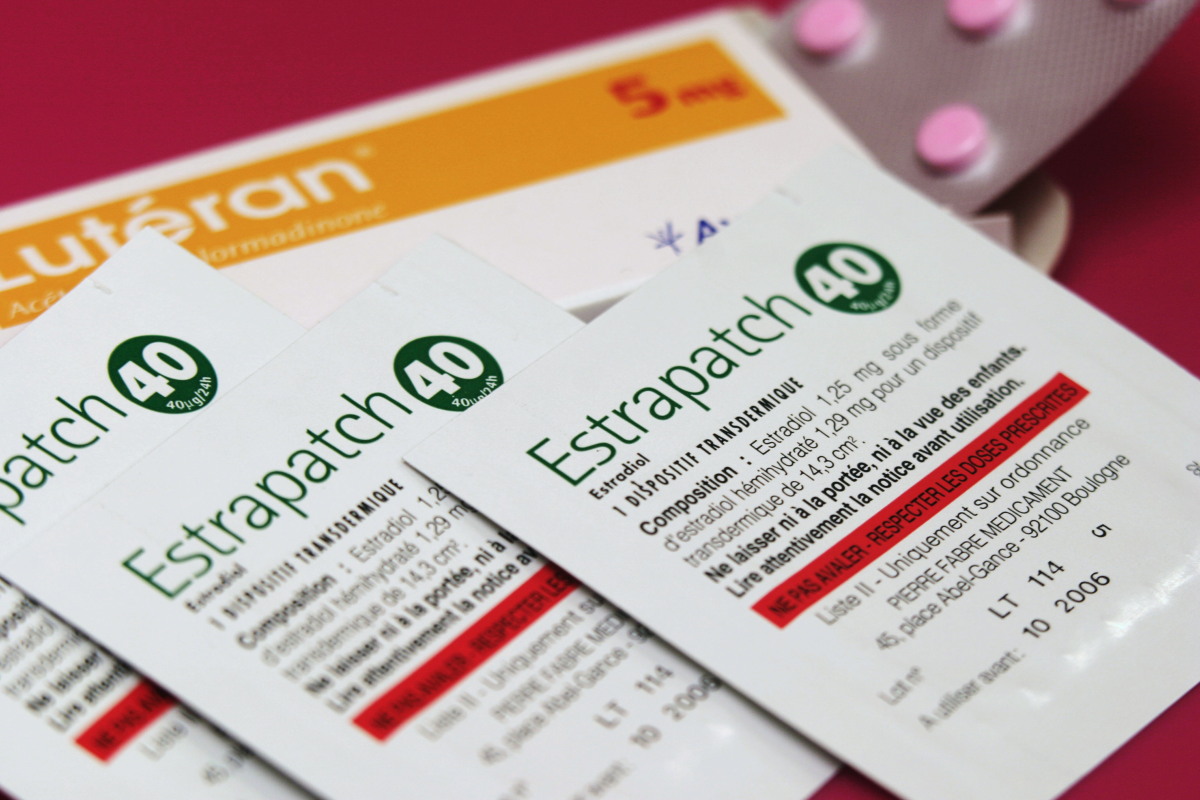
The guidance strongly recommends hormone therapy for hot flashes, night sweats and the sleep trouble that often comes with them, for people who have no medical reason to avoid hormones. Those who still have a uterus are advised to take estrogen together with a progestogen, while those without one can take estrogen on its own.
Timing matters, the group says. It recommends starting hormone therapy before age 60 or within 10 years of when natural menopause begins. The choice should be made together with a doctor after looking at a person's own symptoms, health history and risks, including heart disease, breast cancer and blood clots.
Hormones are not right for everyone. The group lists reasons to avoid them, such as unexplained abnormal bleeding, certain cancers, a past blood clot, stroke or heart attack, liver disease, or pregnancy.
For people who cannot take hormones or would rather not, the guidance covers other choices. These include certain antidepressants, newer nonhormonal drugs made for hot flashes such as fezolinetant and elinzanetant, the seizure medicine gabapentin, and approaches that do not involve medication at all.
The new guidance was published on Thursday in the group's journal, Obstetrics and Gynecology, and replaces the advice it issued in January 2014.

Living with a stink? Technology might help
Smells from rubbish dumps and industrial facilities are being more carefully monitored.
21h ago
How an accelerating Earth led experts to adopt the leap hour
International delegates agree leap second no longer tenable, but first leap hour not likely to happen for thousands of years After decades of discussion, quibbling and worrying abo
1d ago
Severe drought declared and hosepipe bans in force - is your area affected?
Parts of southern England have entered "severe drought", while about 30 million people are under hosepipe ban.
1d ago