Most Americans back the death penalty, but that support is thinner than it looks
The story
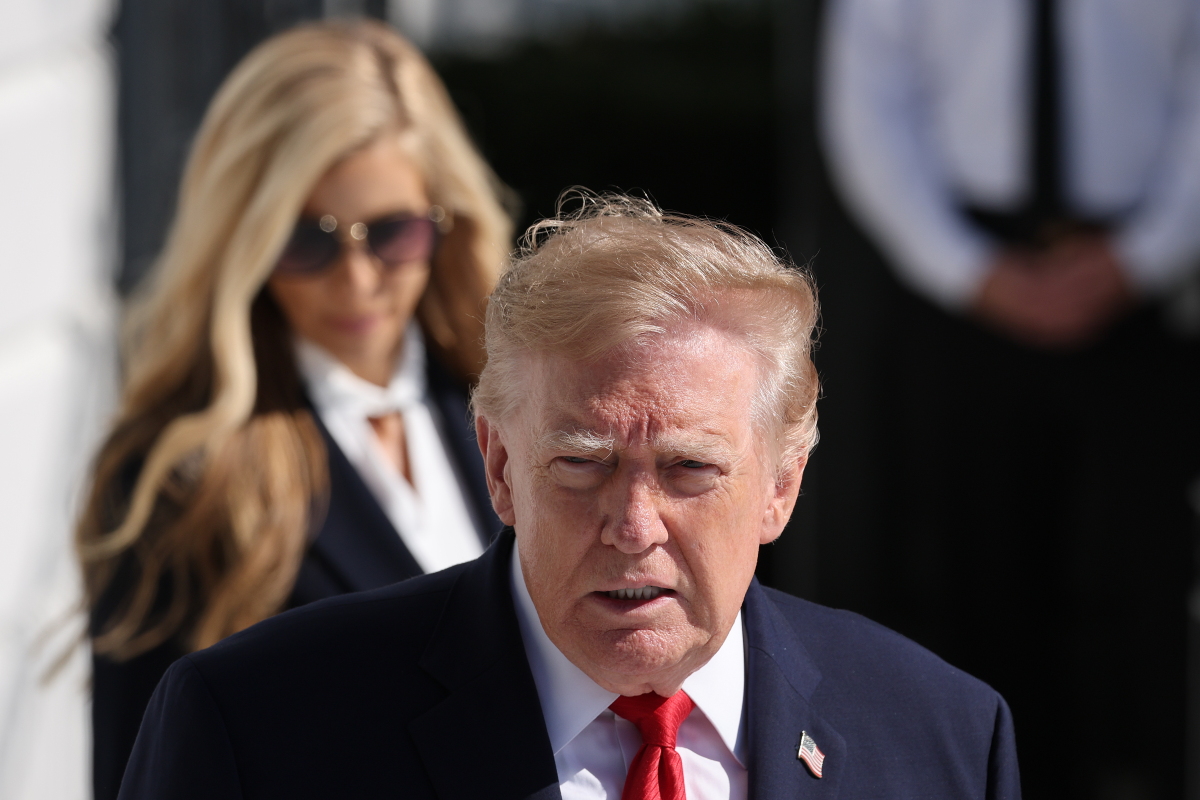
The death penalty is back at the center of American debate after President Trump first gave his blessing to livestreaming a firing squad execution and then backed away from the idea.
The execution in question is that of Nidal Hasan, the former Army psychiatrist who killed 13 people and wounded 32 at Fort Hood, Texas, in 2009. It is scheduled for December, though appeals could delay it. A poll taken this month found 52% of Americans support his execution, but 80% say it should not be shown live.
On the surface, support for capital punishment looks solid. A Pew Research Center survey from this summer found about two thirds of Americans favor the death penalty for people convicted of murder. Gallup's 2025 polling put that figure at 52%, the lowest share in more than 50 years.
The picture changes depending on how the question is asked. When people are offered life without parole instead, about 60% choose that option. Daniel LaChance, a history professor at Emory University, described American support for executions as "a mile wide and an inch deep." Pew also found that 59% of people do not believe the death penalty stops others from committing serious crimes.
Executions themselves are concentrated in only a few places. There have been 31 so far in 2026, carried out by just six states, with Florida responsible for more than half, even though 27 states still allow the punishment. The Death Penalty Information Center has counted 203 people exonerated since 1972 after being wrongly convicted and sentenced to death.
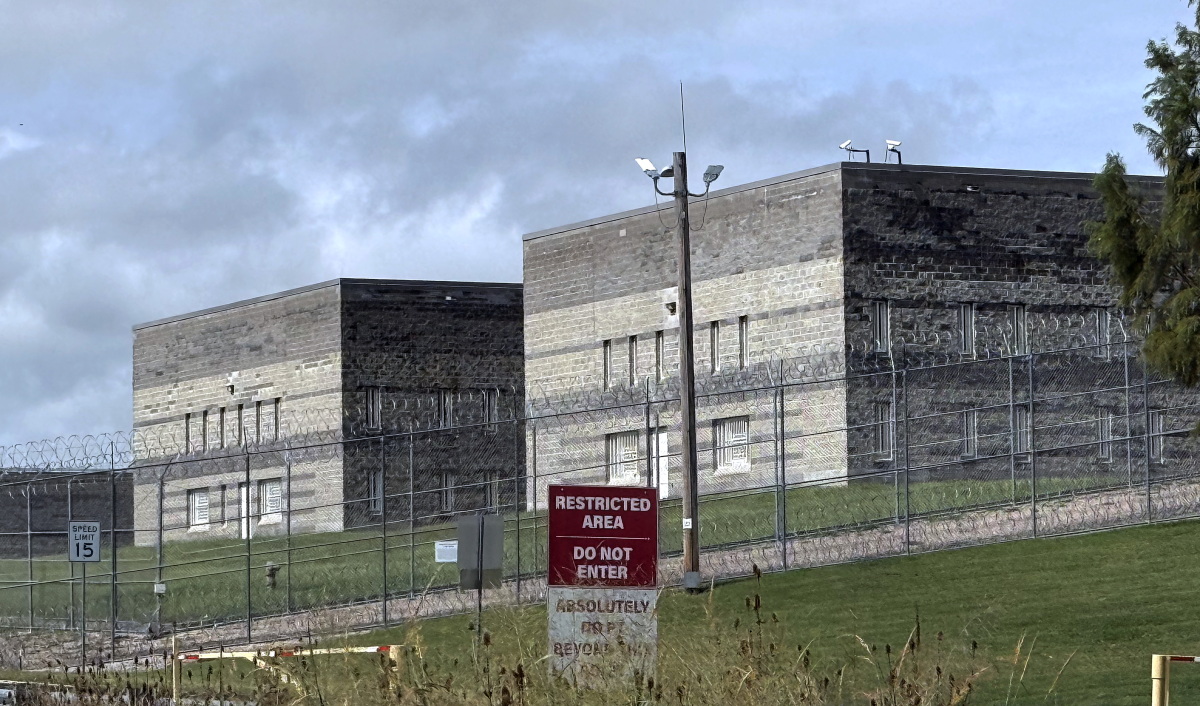
The debate has also been sharpened by two failed lethal injections in Tennessee this year, when officials struggled to find veins to deliver the drugs to Christa Pike and Tony Carruthers. Tennessee Governor Bill Lee said the people of his state have decided the penalty is right for the most heinous crimes, and that his job is to see the sentences carried out.